

Francois and his partner decided to change their lives completely when the Covid-19 pandemic hit, transitioning into the online ESL world in Panama. Now living a digital nomad lifestyle in Costa Rica, he has kindly agreed to share his TEFL experience with us.
Why did you decide to enter the ESL/TEFL world? What were the circumstances?
I studied teaching and entered the education field, initially working in traditional classroom settings. Over time, I moved into politics, where much of my role still revolved around teaching—delivering training on operational matters, guiding policy understanding, and supporting structured implementation. During this period, I served as a councillor on the Nelson Mandela Metro Mayoral Education Task team, where my focus remained closely tied to education, systems, and community development.
This trajectory continued until COVID fundamentally shifted how work could be done. The sudden transition to remote environments opened a new professional pathway that I found both practical and deeply engaging. I embraced this shift and enrolled in a TEFL course through a New York-based institution. At the time, I did not anticipate how significantly this decision would reshape my career.
Building on my extensive background—classroom teaching, structured training in government, leadership roles, and curriculum-related exposure—I transitioned naturally into online ESL. My experience with diverse learners, communication across different contexts, and delivering clear, outcome-driven instruction positioned me well for this space. From there, I expanded into teaching international students across age groups, refining my online delivery, and integrating digital tools into my methodology.
What started as a response to circumstance evolved into a deliberate career direction. The ESL/TEFL world offered flexibility, global reach, and the opportunity to continue doing what I had always done best—teach, guide, and develop others—while operating within a modern, borderless professional environment.
Right now you’re living in Costa Rica. Did you ever teach locally in Costa Rica, or has it all been online?
No, I did not start teaching in Costa Rica. After deciding to move into online work, my good lady and I made a significant life change—we sold everything in South Africa and relocated to Panama. There, we both began teaching for a Chinese company, which marked the start of our journey in the online ESL space. She continues with that company, while I have since progressed to an Australian-based, Chinese-operated company.
Our time in Panama allowed us to settle into the expat and digital nomad lifestyle, gaining valuable experience both professionally and culturally. We have since moved to Costa Rica, where we’ve chosen to give back to our host community by volunteering at local schools, teaching English and supporting learners.
What are the pros and cons of living in Costa Rica, in your experience?
Pros of living in Costa Rica
- Great quality of life (“Pura Vida”), relaxed pace
- Safe and politically stable
- Incredible nature and outdoor lifestyle
- Friendly locals, easy to feel welcome
- Good for remote work (time zone + growing nomad scene)
- Opportunities to give back (e.g., volunteering)
Cons of living in Costa Rica
- High cost of living
- Internet and power can be inconsistent
- Slow bureaucracy
- Transport and logistics not always efficient
- Private healthcare adds cost
- Spanish needed for full integration
Bottom line: Excellent for lifestyle and remote work if you have stable income; challenging on a tight budget.
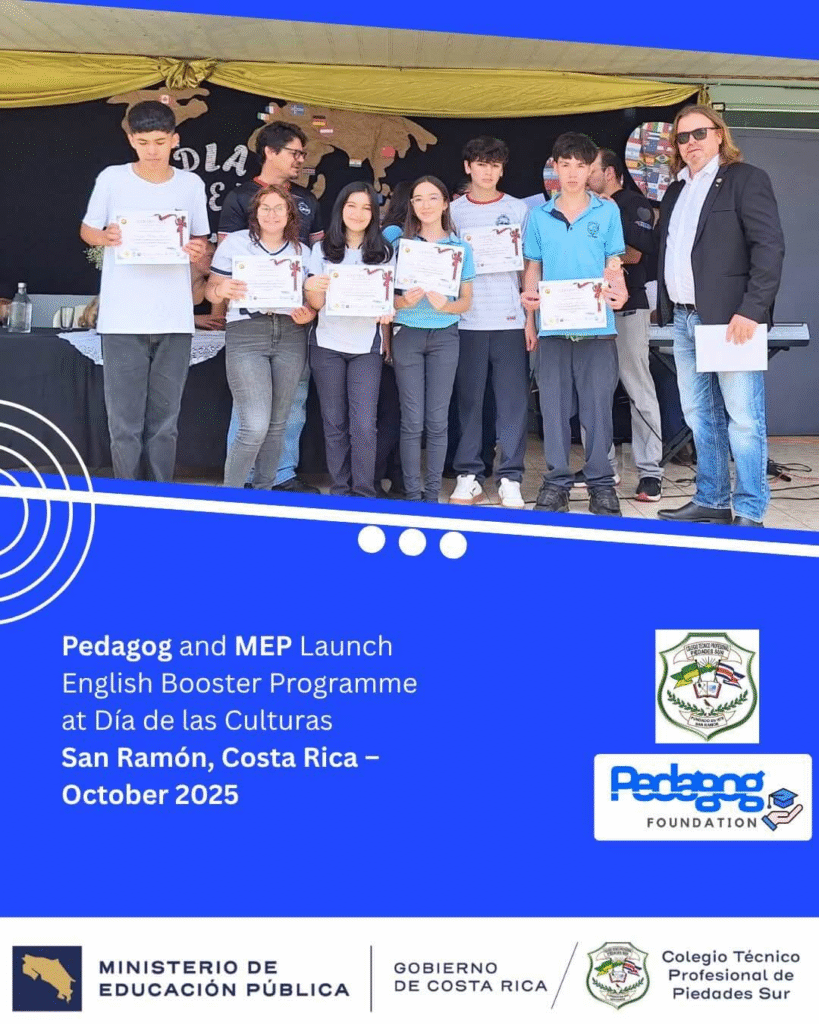
Francois featured with some of his students to promote an English booster programme.
What are the pros and cons of teaching remotely online, in your experience?
Firstly, the freedom to go and live anywhere. The world is my oyster!
Pros of teaching English online
- Flexibility: Control over schedule and location
- Global reach: Teach students from multiple countries and contexts
- Low overhead: No commute, minimal setup costs
- Scalability: Ability to stack classes or work across platforms
- Work–life integration: Easier to design your day around priorities
Cons of teaching online
- Income variability: Rates and bookings can fluctuate
- Isolation: Limited in-person interaction
- Tech dependency: Internet/power issues directly affect income
- Platform pressure: Ratings, algorithms, and cancellations matter
- Time zones: Early/late hours to match student markets
- Limited progression (initially): Requires self-driven growth into higher-paying niches
Bottom line: Highly effective if you value flexibility and can manage inconsistency and tech risk; less ideal if you prefer stable, structured employment.
Any tips for people thinking of doing the same thing?
1. Stabilise income first
Don’t go all-in without a buffer. Aim for at least 2+ income streams (platform + private students + side work).
2. Treat it like a business
You’re not just teaching—you’re managing bookings, retention, branding, and client experience.
3. Get your tech right (non-negotiable)
Reliable laptop, backup internet (hotspot), headset, and a quiet, professional setup. This protects your income.
4. Choose your niche early
General ESL is crowded. Move toward IELTS, Business English, kids’ phonics, or exam prep to increase rates.
5. Build consistency before freedom
At the start, say yes to more hours. Once stable, optimise your schedule for lifestyle.
6. Understand your market time zones
Your income depends on when your students are awake—plan your life around peak demand hours.
7. Keep improving your teaching value
Better lessons = better retention = higher income. Invest in short courses, materials, and feedback.
8. Manage expectations about the lifestyle
The “digital nomad” idea is real—but it’s still work. Discipline and routine matter more than location.
9. Integrate locally where you live
Learn basic language, build community, and (if possible) give back—it makes the experience far more meaningful.
10. Always have a backup plan
Platforms change, students drop off. Keep options open and stay adaptable.
Bottom line: It works well if you approach it strategically—not as a quick escape, but as a structured, location-independent career.
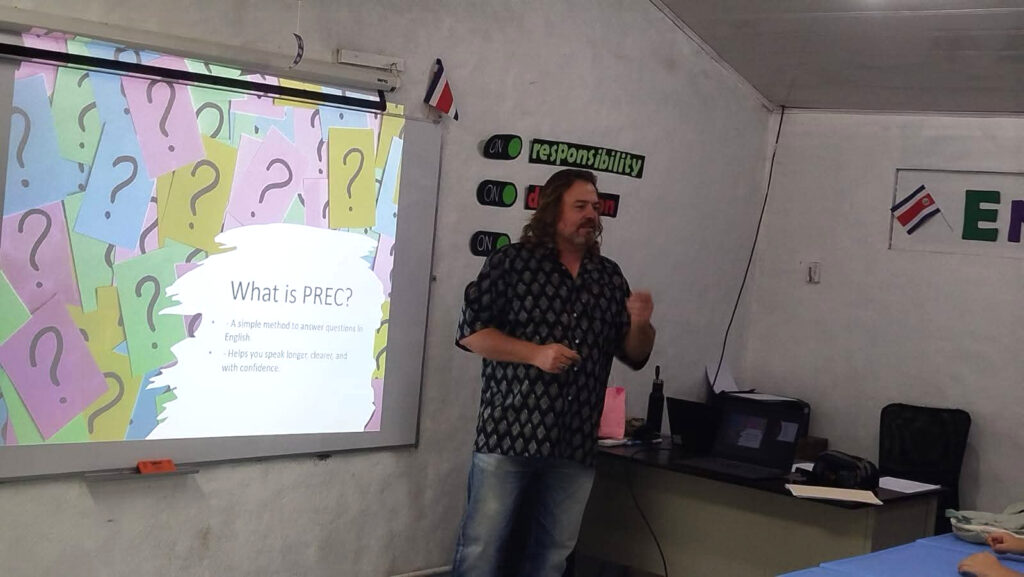
Francois’ professional background has served him well in his teaching career, on and offline.
Any other titbits about teaching ESL online while living abroad?
If you’re coming out of any life-altering moment, this path can be a reset—but only if you approach it deliberately, not emotionally.
1. Rebuild first
This is not an escape plan; it’s a transition. Give yourself time to stabilise mentally and emotionally before making major moves.
2. Eliminate debt before you go (non-negotiable)
I’ll say it clearly: do not leave with debt.
- Stop all unnecessary spending
- Avoid new debt completely
- Downsize aggressively—move into a smaller place if needed
- Sell anything non-essential
- Focus on restoring financial independence first
This phase can take 1–3 years, depending on your situation. That’s normal.
3. Strip life down to essentials
You are preparing for mobility. The less you own, the more flexible you become. Every item should have a purpose.
4. Plan your responsibilities properly
Before leaving, make clear, structured arrangements for:
- Family obligations
- Financial commitments
- Legal/admin responsibilities
No loose ends.
5. Get your documentation in order early
- Renew passport well in advance
- Update or replace all key ID/licences
- Ensure everything is valid and accessible digitally and physically
6. Simplify your financial system
- Close unnecessary bank accounts
- Keep one low-cost transactional account in your home country
- Give a trusted person viewing/signing access as a contingency
- Set up international payment systems (PayPal, etc.) months in advance
Be aware: verification processes (SMS, proof of address) can delay access. Plan for at least 2 months with no income while systems stabilise.
7. Build a financial buffer
Have enough saved to survive delays, platform onboarding, and low initial bookings. The start is often slower than expected.
8. Accept the hard start
The beginning is not glamorous. It’s uncertain, sometimes lonely, and financially tight. That’s part of the process.
9. Flip the script intentionally
This is your opportunity to reset your direction—but do it with structure, discipline, and patience, not impulse.
Bottom line of teaching online while living abroad:
Freedom comes from preparedness, not escape. If you reduce debt, simplify your life, and plan properly, this path can be one of the most rewarding transitions you’ll ever make.
Interested in exploring other potential TEFL markets? Read about Jared’s TEFL experience in Vietnam, Madison’s TEFL experience in China, or Mafe’s TEFL experience in Spain.
Are you an ESL teacher who would would be willing to share your experience in your city? Get in touch!